
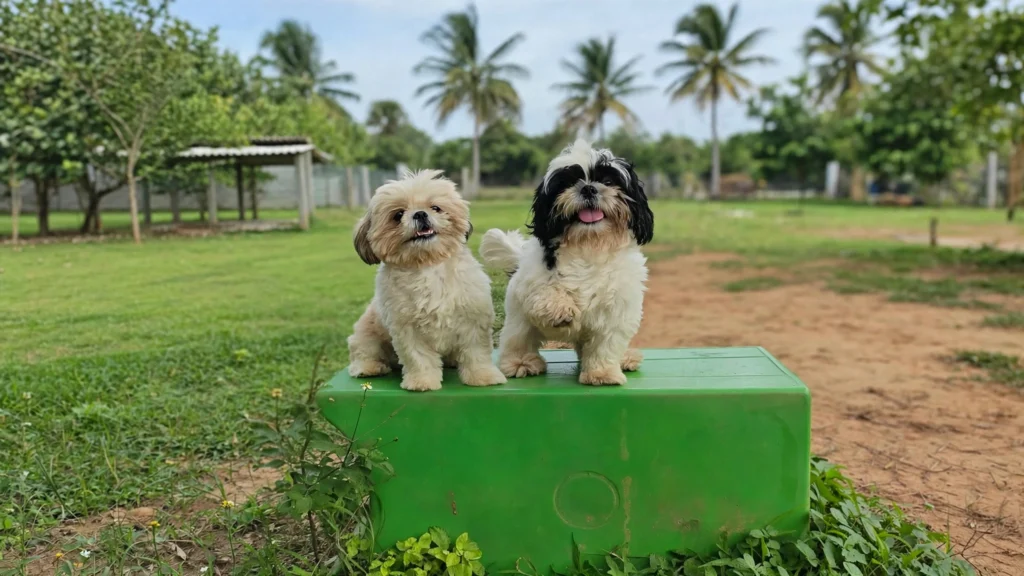
Bringing home a puppy is exciting, but the first few weeks can also come with plenty of questions. What should a puppy eat? How often should they be groomed? When can they start going outdoors? How much exercise do they need? And how do you build a routine that keeps them comfortable, active and well-adjusted?
The good news is that puppy care does not have to be complicated. A consistent routine built around appropriate food, fresh water, sleep, hygiene, gentle exercise, training, socialisation and preventive healthcare can give your puppy a strong foundation.
This puppy care guide is designed for first-time pet parents, including families in Bengaluru who are adjusting to apartment living, busy schedules and the city’s changing weather.
Puppy Care Checklist for First-Time Pet Parents
A puppy’s everyday needs can be grouped into a few essential areas:
| Puppy Care Area | What to Focus On |
|---|---|
| Food | Age-appropriate, balanced puppy nutrition |
| Water | Fresh, clean drinking water |
| Sleep | A quiet and comfortable resting space |
| Grooming | Brushing, bathing, nails, ears and dental hygiene |
| Health | Vet check-ups, vaccinations and preventive care |
| Exercise | Age-appropriate movement and play |
| Training | Toilet training, basic cues and household routines |
| Socialisation | Positive exposure to people, sounds, environments and suitable dogs |
| Hygiene | Clean bedding, bowls, toys and living areas |
| Enrichment | Safe toys, play, exploration and mental stimulation |
The goal is not to create a perfect schedule. It is to establish a predictable routine that works for both you and your puppy.
What Should a Puppy Eat?
Puppies need nutrition that supports their growth and development. Choose a complete puppy food appropriate for your puppy’s age, size and individual needs rather than automatically feeding the same food given to an adult dog.
Follow the feeding guidance provided by your veterinarian or the food manufacturer, and avoid making frequent food changes without a reason.
Important puppy feeding habits
- Keep fresh drinking water available.
- Feed at consistent times as much as practical.
- Use food appropriate for your puppy’s life stage.
- Monitor your puppy’s body condition and growth.
- Introduce dietary changes gradually.
- Avoid feeding human foods simply because your puppy appears interested.
- Ask your veterinarian before adding supplements.
A puppy’s appetite can vary, but sudden changes in eating, vomiting, diarrhoea, unusual tiredness or other concerning symptoms should be discussed with a veterinarian.
Puppy Health Care: Vaccinations, Deworming and Vet Visits
Preventive healthcare is one of the most important parts of responsible puppy care.
Your veterinarian can create an appropriate vaccination, deworming and parasite-prevention plan based on your puppy’s age, health, lifestyle and local risks. Keep the vaccination and health records safely so they are available whenever your puppy visits a grooming facility, daycare or boarding facility that requests health information.
Do not rely on a generic vaccination schedule found online as a substitute for veterinary advice. Your puppy’s healthcare plan should come from a qualified veterinarian who can assess the individual animal.
Watch for changes in your puppy
Pet parents should pay attention to changes in:
- Appetite or drinking
- Energy levels
- Toilet habits
- Breathing
- Skin or coat
- Walking or movement
- Behaviour
- Vomiting or diarrhoea
- Persistent coughing or other unusual symptoms
If something seems significantly different from your puppy’s normal behaviour, seek professional veterinary advice.
Puppy Grooming: Start With Gentle Handling
Puppy grooming is about more than keeping a coat clean. Early, positive experiences with grooming can help a puppy become more comfortable with handling as they grow.
Start gradually by gently getting your puppy accustomed to having their paws, ears, coat and collar area handled. Keep early sessions short and positive.
Depending on the puppy’s coat and needs, grooming may include:
- Brushing
- Bathing
- Nail care
- Ear hygiene
- Coat cleaning
- Dental care
- Professional grooming
Do not force a puppy through a long grooming session if they are frightened or overwhelmed. Patience and positive reinforcement can make future grooming much easier.
For pet parents who have busy schedules, professional pet grooming can also be a convenient way to maintain coat and hygiene care.
How Much Exercise Does a Puppy Need?
Puppies need movement and play, but more exercise is not always better.
Their activity should be appropriate for their age, development, breed or individual characteristics. Short periods of gentle play, exploration and training can provide both physical and mental stimulation.
Good puppy activities can include:
- Short play sessions
- Gentle indoor games
- Age-appropriate walks when cleared by your veterinarian
- Basic training
- Safe exploration
- Food-based enrichment
- Supervised interaction with suitable dogs
Avoid pushing a young puppy into prolonged or strenuous activity simply to tire them out.
A puppy also needs plenty of rest. If your puppy becomes excessively tired, irritable or reluctant to continue playing, it may be time for a break.
Puppy Training Should Start Early
Training does not need to mean long formal sessions.
Begin with simple behaviours that make everyday life easier, such as responding to their name, coming when called, settling down, toilet training and basic household manners.
Keep training sessions short and positive. Everyone at home should use consistent cues so the puppy does not receive conflicting instructions.
Toilet training
Take your puppy to the designated toilet area regularly, particularly after waking, eating, drinking and playing. Reward appropriate behaviour and remain patient when accidents happen.
Punishment can make the process more stressful. Consistency, supervision and a predictable routine are usually more helpful.
Puppy Socialisation and Safe Play
Socialisation means helping a puppy become comfortable with different people, sounds, environments, surfaces and appropriate experiences.
It does not mean allowing a puppy to interact with every dog they meet.
Consider your puppy’s health status and your veterinarian’s advice before exposing them to public areas or unknown animals. Early experiences should be controlled, positive and appropriate for the puppy.
As a puppy becomes ready for broader social experiences, supervised play can provide useful physical activity and interaction.
This is one reason daycare environments can be valuable for suitable dogs. A professionally supervised dog daycare setting can provide opportunities for play, activity and socialisation while giving pet parents an alternative to leaving an active dog alone for long periods.
Building a Simple Daily Puppy Routine
A puppy does not need every day to run according to an exact timetable. A predictable pattern is more important.
Morning
Start with a toilet break, followed by food and fresh water. Depending on the puppy’s age and routine, this can be followed by a short period of play or basic training and then rest.
Afternoon
Include meals according to your puppy’s feeding plan, toilet breaks, gentle activity and plenty of sleep. Puppies often need multiple periods of rest throughout the day.
Evening
Use the evening for family interaction, appropriate play, a short training session and another toilet break.
Night
Keep the environment calm before bedtime. Make sure your puppy has a comfortable, safe place to sleep and follow a consistent nighttime routine.
The best routine is one that you can maintain consistently while adapting it to your puppy’s age and individual needs.
Puppy Care in Bengaluru: What Pet Parents Should Consider
Bengaluru pet parents may need to adapt puppy routines around apartment living, traffic, weather changes, indoor spaces and busy work schedules.
During wet weather, pay attention to damp paws and coats after outdoor activity. Keep sleeping areas, bedding and commonly used surfaces clean and dry.
If you live in an apartment, create a safe indoor area where your puppy can rest, play and explore without access to unsafe objects, wires or substances.
As your puppy grows, their needs will change. A routine that works for a very young puppy may need to be adjusted as their activity level, feeding pattern, training and socialisation needs develop.
When Should You Consider Puppy Daycare or Boarding?
Puppy daycare or boarding can be useful when pet parents have work commitments, travel plans or need additional opportunities for supervised activity.
However, every puppy is different. Before arranging a stay, consider your puppy’s age, health, temperament, vaccination status and ability to cope with a new environment. Discuss suitability and any health requirements with the facility in advance.
For pet parents looking for a more spacious alternative to a traditional kennel-style environment, Aruani PetStop in Dommasandra near Sarjapur Road, Bengaluru, offers a premium cage-free pet resort environment for dogs and cats.
Its services include:
- Cage-free pet boarding
- Dog daycare
- Supervised play and socialisation
- Outdoor pet play areas
- Dog swimming pool
- Pet exercise and recreation
- Pet grooming and spa
- Pet-friendly events and gatherings
The spacious setting is designed around activity, recreation, comfort and attentive care. Aruani PetStop is also located adjacent to the Aruani Grid motorsport facility, making it a convenient option for pet parents in and around the Dommasandra and Sarjapur Road area.
With a 4.8/5 rating based on 100+ pet-parent reviews, Aruani PetStop has become a local option for families looking for more than basic pet boarding.
Preparing Your Puppy for Their First Boarding or Daycare Visit
If your puppy will eventually spend time at a boarding or daycare facility, familiarisation can make the experience easier.
Before booking, ask the facility about:
- Age and health requirements
- Vaccination requirements
- Boarding or daycare suitability
- Feeding arrangements
- Daily activity
- Supervision
- Grooming availability
- Swimming or recreation options
- What belongings you should bring
- Current pricing and availability
Share accurate information about your puppy’s temperament, routines and needs. This helps the care team understand your pet better and allows you to choose an environment that is appropriate for them.
Frequently Asked Questions About Puppy Care
What are the most important puppy care essentials?
The essentials include appropriate puppy food, fresh water, adequate sleep, preventive veterinary care, grooming, hygiene, age-appropriate exercise, training, socialisation and a safe environment.
How often should I groom my puppy?
It depends on the puppy’s coat, breed, lifestyle and grooming needs. Begin with gentle brushing and handling, and establish bathing, nail and other grooming routines appropriate for your puppy.
When should a puppy start training?
Basic training can begin early. Start with simple behaviours such as responding to their name, toilet training, settling and basic household manners. Keep sessions short, positive and consistent.
Can puppies go to daycare?
Some puppies can benefit from daycare, but suitability depends on age, health, vaccination status, temperament and the facility’s requirements. Discuss your puppy’s readiness with your veterinarian and the daycare provider.
Is puppy boarding suitable for a first-time pet parent?
Yes, boarding can be an option when appropriate for the puppy and the facility. Before booking, discuss your puppy’s age, health, vaccination status, temperament and routine with the boarding provider.
Is Aruani PetStop a pet boarding facility in Bengaluru?
Yes. Aruani PetStop is a premium cage-free pet resort in Dommasandra near Sarjapur Road, Bengaluru, offering pet boarding, dog daycare, supervised play, grooming, swimming and outdoor recreation for dogs and cats.
Build a Routine That Grows With Your Puppy
Good puppy care is not about doing everything perfectly. It is about consistently meeting your puppy’s basic needs while paying attention to how they respond and develop.
Start with appropriate food, fresh water, sleep, preventive healthcare, grooming, gentle activity and positive training. As your puppy grows, gradually expand their experiences through appropriate socialisation, recreation and supervised activities.
For pet parents in Bengaluru who need daycare, boarding, grooming or recreation, Aruani PetStop provides a spacious cage-free environment in Dommasandra near Sarjapur Road.
Book Your Puppy’s Stay at Aruani PetStop
If you are considering boarding, daycare, grooming or recreation for your dog, contact Aruani PetStop to check current availability, suitability, pricing and service options before planning your visit.