
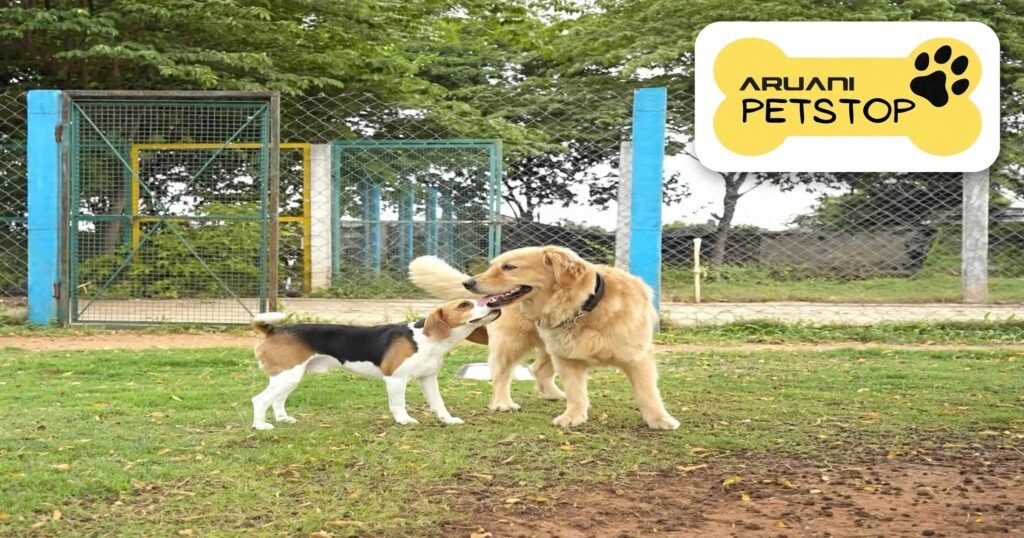
Taking care of a dog involves much more than providing food and taking them for an occasional walk. Good dog care includes proper nutrition, fresh water, grooming, exercise, mental stimulation, training, socialization, preventive healthcare and a safe, comfortable environment.
Whether you have recently welcomed a puppy or have been a dog parent for years, having a consistent daily care routine can help support your dog’s overall health, comfort and quality of life.
In this complete dog care guide, we cover the essentials of dog food, grooming, exercise, hygiene, health care, puppy care, training, socialization and daily routines, along with practical tips for pet parents in Bengaluru.
Quick Dog Care Checklist
A healthy dog needs several types of care every day.
| Dog Care Area | What Your Dog Needs |
|---|---|
| Food | A balanced diet appropriate for age, size and individual needs |
| Water | Clean, fresh drinking water |
| Exercise | Age- and breed-appropriate physical activity |
| Grooming | Regular brushing, bathing and hygiene care |
| Mental stimulation | Play, training, exploration and enrichment |
| Socialization | Positive interaction with people and suitable dogs |
| Health care | Preventive veterinary care and monitoring |
| Rest | A safe, comfortable place to sleep |
| Safety | A clean environment and appropriate supervision |
The exact routine will vary depending on your dog’s age, breed, size, activity level, health and lifestyle.
What Does a Dog Need Every Day?
Every dog has different needs, but the basics of daily dog care remain similar.
Your dog generally needs:
- Nutritious and appropriate food
- Fresh drinking water
- Regular exercise
- Mental stimulation
- Toilet breaks
- Grooming and hygiene checks
- Positive social interaction
- Adequate sleep and rest
- Training and behavioural guidance
- A safe and comfortable environment
A consistent routine can make it easier to identify changes in your dog’s appetite, energy, behaviour or appearance.
Dog Food and Nutrition
Nutrition is one of the most important parts of dog care. Your dog’s dietary requirements can change throughout its life, so food should be selected according to factors such as age, size, activity level and individual health needs.
What Should Dogs Eat?
Dogs need a nutritionally complete diet that provides the nutrients required for normal growth, maintenance and activity.
A suitable diet may contain appropriate amounts of:
- Protein
- Fats
- Carbohydrates
- Vitamins
- Minerals
- Water
Commercial dog food, home-prepared diets and other feeding approaches can differ considerably. If you are considering a major dietary change or your dog has a medical or nutritional concern, consult a veterinarian.
How Often Should You Feed a Dog?
Feeding frequency depends on your dog’s age, size, lifestyle and individual requirements.
Puppies
Young puppies generally require more frequent meals than adult dogs because they are growing rapidly.
Adult Dogs
Many healthy adult dogs are fed one or two meals per day, although the appropriate schedule varies.
Senior Dogs
Older dogs may require adjustments based on their activity, weight, dental health or other age-related considerations.
Rather than following a single feeding schedule for every dog, discuss your dog’s individual requirements with your veterinarian.
Foods Dogs Should Avoid
Pet parents should be careful about giving dogs human foods.
Some foods can be harmful or toxic to dogs, including certain amounts or forms of:
- Chocolate
- Grapes and raisins
- Onions and garlic
- Xylitol-containing products
- Alcohol
- Certain nuts
- Very fatty or heavily seasoned foods
If your dog accidentally consumes something potentially toxic, contact a veterinarian or veterinary emergency service promptly.
Fresh Water Is Essential for Dogs
Clean drinking water should be available to your dog throughout the day.
Water requirements can increase depending on:
- Weather
- Exercise
- Body size
- Diet
- Activity level
- Health conditions
During Bengaluru’s warmer months, make sure your dog has easy access to fresh water, especially after outdoor exercise.
A sudden increase or decrease in drinking can sometimes indicate an underlying issue, so unusual changes should be discussed with a veterinarian.
Dog Grooming and Hygiene
Regular grooming isn’t only about keeping your dog looking clean. Grooming can also help you monitor the condition of the coat, skin, paws, ears and nails.
The ideal grooming routine depends heavily on your dog’s breed, coat type and lifestyle.
How Often Should You Groom a Dog?
There isn’t one grooming schedule that works for every dog.
Short-haired dogs may need less frequent brushing, while dogs with long, thick or curly coats may require more regular grooming to prevent tangles and matting.
A basic grooming routine can include:
- Brushing
- Bathing
- Nail care
- Ear care
- Dental care
- Paw care
- Coat inspection
Dog Brushing
Regular brushing can help remove loose hair, dirt and debris while keeping the coat manageable.
It can also provide an opportunity to check for:
- Skin irritation
- Ticks
- Lumps
- Mats
- Unusual odours
- Changes in the coat
The right brush depends on your dog’s coat type.
How Often Should You Bathe a Dog?
Bathing frequency varies according to breed, coat, lifestyle and skin condition.
Over-bathing can potentially irritate some dogs’ skin, while dogs that spend considerable time outdoors may require more frequent cleaning.
Use products specifically formulated for dogs rather than assuming human shampoo is suitable.
Nail Trimming
Overgrown nails can affect comfort and movement.
Check your dog’s nails regularly and trim them appropriately or have them professionally trimmed if you are uncomfortable doing it yourself.
Ear Care
Some dogs are more prone to ear problems than others.
During routine grooming, look for:
- Excessive wax
- Redness
- Swelling
- Unusual odour
- Discharge
- Frequent scratching
Do not insert objects deep into your dog’s ear canal. If you notice signs of an ear problem, consult a veterinarian.
Dog Dental Care
Dental hygiene is an important but sometimes overlooked part of dog care.
Regular brushing with dog-specific dental products and appropriate veterinary dental care can help support oral health.
Signs such as persistent bad breath, difficulty eating, bleeding gums or visible dental problems should be discussed with a veterinarian.
Professional Dog Grooming
Professional grooming can be useful when your dog needs a thorough bath, coat maintenance, nail care or breed-appropriate grooming.
For pet parents in Bengaluru, professional grooming can also be helpful when managing long or difficult-to-maintain coats.
Looking for professional pet grooming in Bengaluru? Explore Aruani PetStop’s grooming services.
Dog Exercise and Physical Activity
Dogs need regular physical activity, but the right amount varies considerably between individuals.
A young, energetic dog may require significantly more activity than an older dog with limited mobility.
How Much Exercise Does a Dog Need?
There is no universal exercise requirement for every dog.
Consider:
- Age
- Breed
- Size
- Energy level
- Fitness
- Health
- Weather
- Individual temperament
Exercise can include:
- Walking
- Running
- Fetch
- Interactive games
- Supervised swimming
- Play sessions
- Training activities
Exercise for Puppies
Puppies are still developing, so exercise should be age-appropriate and should not be excessively strenuous.
Short play sessions, controlled exploration and basic training can provide physical and mental stimulation.
Exercise for Adult Dogs
Adult dogs may benefit from a combination of walking, play, training and other activities appropriate for their breed and fitness level.
Exercise for Senior Dogs
Senior dogs may still benefit from regular movement, but intensity may need to be adjusted.
Gentle walks and controlled activities may be more appropriate than high-impact exercise for some older dogs.
Dog Swimming: Is It Good for Dogs?
Swimming can be an enjoyable form of physical activity for dogs that are comfortable and physically suited to it.
Potential benefits include:
- Physical activity
- Recreation
- Cooling down during warm weather
- Variety in exercise
- Mental stimulation
However, not every dog is naturally comfortable in water.
Dogs should always be supervised around pools and other bodies of water.
At Aruani PetStop, pet swimming is available as a supervised recreational activity, providing dogs with an additional way to stay active and enjoy outdoor time.
Mental Stimulation and Enrichment for Dogs
Physical exercise is only one part of good dog care.
Dogs also need opportunities to use their senses and brains.
Mental enrichment can include:
- Puzzle toys
- Sniffing games
- Obedience training
- Interactive play
- New environments
- Food puzzles
- Supervised social interaction
- Learning new commands
Signs Your Dog May Need More Mental Stimulation
Possible signs include:
- Excessive barking
- Restlessness
- Destructive behaviour
- Attention-seeking
- Repetitive behaviours
- Difficulty settling down
A combination of physical exercise, training, play and social interaction can help create a more balanced routine.
Dog Training and Behaviour
Training is an important part of responsible dog care.
Training can help dogs understand boundaries, respond to commands and navigate everyday situations more confidently.
Basic Commands Every Dog Can Learn
Common foundational commands include:
- Sit
- Stay
- Come
- Down
- Leave it
- Wait
Training should generally focus on consistency and positive reinforcement.
Puppy Training
Puppy training can include:
- Toilet training
- Name recognition
- Basic commands
- Leash introduction
- Handling
- Appropriate socialization
- Learning household routines
Dog Socialization
Socialization means helping dogs become comfortable with different people, environments, sounds, situations and suitable animals in a safe and positive way.
Good socialization is not simply allowing every dog to interact with every other dog. Interactions should be appropriate, supervised and based on the individual dogs’ temperament and comfort.
When Should You Consider Professional Dog Training?
Professional training can be useful when dealing with:
- Persistent behavioural challenges
- Leash difficulties
- Excessive jumping
- Fear or anxiety-related behaviours
- Poor impulse control
- Socialization challenges
- Obedience training
A qualified professional can help create a structured approach based on the individual dog’s behaviour.
Dog Health and Preventive Care
Good dog care also involves monitoring your dog’s health and maintaining appropriate preventive care.
Regular Veterinary Checkups
Routine veterinary visits can help monitor:
- Weight
- Dental health
- Vaccinations
- Parasite prevention
- General physical health
- Age-related changes
The frequency of veterinary visits should be determined according to your dog’s age, health and veterinarian’s recommendations.
Vaccination
Vaccinations are an important component of preventive healthcare.
Puppies typically require a structured vaccination schedule, while adult dogs may need booster vaccinations according to veterinary recommendations and local requirements.
Parasite Prevention
Dogs can encounter parasites such as ticks, fleas and intestinal parasites.
Regular preventive care can help reduce the risk of parasite-related problems.
Speak with your veterinarian about the appropriate prevention programme for your dog.
Maintaining a Healthy Weight
A healthy weight supports mobility and overall wellbeing.
Monitor:
- Body condition
- Food portions
- Treat intake
- Exercise
- Weight changes
If you’re unsure whether your dog is at an appropriate weight, ask your veterinarian for an assessment.
Signs Your Dog May Need Veterinary Attention
Pet parents should pay attention to sudden or unusual changes.
Examples include:
- Significant appetite changes
- Persistent vomiting
- Persistent diarrhoea
- Difficulty breathing
- Severe lethargy
- Sudden behavioural changes
- Unexplained pain
- Difficulty walking
- Significant weight changes
- Unusual discharge or bleeding
These signs can have many different causes. Avoid attempting to diagnose serious problems based solely on online information and seek veterinary advice when needed.
Complete Puppy Care Guide
Puppies require additional attention because they are growing and learning rapidly.
Puppy Nutrition
Puppies generally require food formulated to support growth and development.
Puppy Sleep
Young puppies need substantial rest.
Create a quiet and comfortable sleeping environment and establish a predictable routine.
Puppy Toilet Training
Take your puppy outside or to the designated toilet area regularly, particularly after:
- Sleeping
- Eating
- Drinking
- Playing
Reward desired behaviour consistently.
Puppy Socialization
Positive early experiences can help puppies become comfortable with different environments, people and appropriate interactions.
Puppy Grooming
Introduce grooming gradually.
Allow puppies to become comfortable with:
- Brushing
- Paw handling
- Ear checks
- Bathing
- Nail care
This can make future grooming sessions easier.
Dog Care by Life Stage
Your dog’s needs change throughout its life.
| Life Stage | Key Care Priorities |
|---|---|
| Puppy | Nutrition, vaccination, training, socialization and safe exercise |
| Adult Dog | Balanced nutrition, exercise, grooming, training and preventive care |
| Senior Dog | Comfort, mobility, nutrition, grooming and veterinary monitoring |
A routine that works for a puppy may not be appropriate for a senior dog.
Creating a Daily Dog Care Routine
A predictable routine can help dogs understand what to expect throughout the day.
Example Daily Dog Care Routine
| Time | Activity |
|---|---|
| Morning | Toilet break, fresh water and breakfast |
| Morning | Walk or appropriate exercise |
| Midday | Rest, enrichment or supervised activity |
| Afternoon | Water, play and rest |
| Evening | Walk, training or interactive play |
| Night | Dinner, toilet break and quiet time |
This is only an example. Your dog’s routine should be adapted according to its age, health, breed, energy level and lifestyle.
How to Keep Your Dog Active When You’re Busy
Modern work schedules can make it difficult for pet parents to provide enough activity and companionship during the day.
If your dog spends long periods alone, consider options such as:
- Dog walkers
- Structured play
- Enrichment toys
- Family interaction
- Dog daycare
- Trusted pet care providers
Dog daycare can provide supervised daytime activity and social interaction for dogs that are comfortable in group environments.
Dog Daycare vs Dog Boarding
Although both services provide professional pet care, they serve different purposes.
| Feature | Dog Daycare | Dog Boarding |
|---|---|---|
| Duration | Usually daytime | Overnight or multiple days |
| Best suited for | Busy workdays | Travel or extended absence |
| Overnight stay | No | Yes |
| Exercise | Yes | Yes |
| Socialization | Often available | May be available |
| Supervision | During daycare hours | Throughout boarding programme |
The right choice depends on how long you will be away and your dog’s individual needs.
What to Look for in a Dog Boarding Facility
If you’re looking for dog boarding in Bengaluru, don’t choose a facility based only on price.
Consider:
1. Clean and Safe Environment
The facility should have appropriate hygiene and safety practices.
2. Staff and Supervision
Ask about caregiver experience and how dogs are supervised.
3. Exercise and Activity
Find out how much time dogs spend exercising and playing.
4. Socialization
Ask how dogs are grouped and how interactions are supervised.
5. Feeding Arrangements
Understand whether the facility can follow your dog’s normal feeding routine.
6. Health and Vaccination Requirements
Responsible facilities may have vaccination and health requirements to protect the dogs staying there.
7. Emergency Procedures
Ask how the facility handles medical emergencies.
8. Trial Visits
If possible, visit the facility before booking a longer stay.
Dog Care Services at Aruani PetStop, Bengaluru
For pet parents looking for professional pet care near Sarjapur Road, Aruani PetStop provides several services designed around supervised care, activity and comfort.
Dog Boarding
Aruani PetStop offers overnight pet boarding in a cage-free environment with open green spaces for supervised activity and socialization.
Dog Daycare
Daycare provides an option for pet parents who need supervised daytime care while they work or manage other commitments.
Professional Pet Grooming
Professional grooming and pet spa services help maintain coat, hygiene and general grooming needs.
Pet Swimming
A dedicated outdoor swimming area provides supervised recreational activity for suitable dogs.
Dog Training
Behavioural support and conditioning programmes are available for dogs that need structured training.
Pet-Friendly Social Spaces
The facility includes outdoor spaces designed for pet activity and social interaction, along with a pet-friendly cafe environment.
Why a Safe Environment Matters in Dog Care
Dogs need more than food and shelter. Their environment can influence their physical activity, mental stimulation and social experiences.
A suitable pet-care environment should provide:
- Appropriate space
- Safe supervision
- Clean surroundings
- Exercise opportunities
- Rest areas
- Controlled socialization
- Access to water
- Care suited to individual needs
For pet parents choosing daycare or boarding, visiting the facility beforehand can help you understand whether the environment is suitable for your dog.
Dog Care in Bengaluru: What Pet Parents Should Consider
Bengaluru’s urban lifestyle can make professional pet-care services useful for some dog owners.
Factors such as:
- Long working hours
- Travel
- Apartment living
- Limited outdoor space
- Traffic
- Weather
- Busy schedules
can affect how much time pet parents can dedicate to exercise and socialization.
For pet parents around Sarjapur Road, Dommasandra, Chandapura and nearby areas, choosing a conveniently located daycare, boarding or grooming facility can make regular pet care easier.
Frequently Asked Questions About Dog Care
How do I take care of my dog every day?
Provide appropriate food and fresh water, regular exercise, mental stimulation, grooming, social interaction, rest and a safe environment. Maintain preventive veterinary care and monitor your dog for changes in behaviour or health.
What does a dog need every day?
A dog needs appropriate nutrition, fresh water, physical activity, mental stimulation, toilet breaks, rest, social interaction and a safe environment. Individual requirements vary by age, breed, health and lifestyle.
How often should I groom my dog?
Grooming frequency depends on coat type, breed, lifestyle and individual needs. Regular brushing, nail care, dental care and appropriate bathing should form part of your dog’s hygiene routine.
How often should I bathe my dog?
There is no single bathing schedule for every dog. Coat type, skin condition, lifestyle and activity level all influence bathing frequency. Use dog-specific grooming products and seek veterinary advice for skin concerns.
How much exercise does a dog need?
Exercise requirements vary by age, breed, size, health and energy level. Dogs may benefit from a combination of walks, play, training and other appropriate physical activities.
Is dog daycare good for dogs?
Dog daycare can be beneficial for dogs that enjoy supervised social interaction and structured activity. However, daycare isn’t suitable for every dog, so consider temperament, health, socialization and the quality of supervision.
How long can a dog stay alone at home?
There is no single appropriate duration for every dog. Age, health, temperament, toilet needs and individual circumstances matter. Puppies and dogs with specific care requirements generally need more frequent attention.
What should I look for in a dog boarding facility?
Look for a clean and safe environment, experienced caregivers, appropriate supervision, exercise opportunities, suitable socialization, feeding arrangements, health requirements and clear emergency procedures.
Where can I find dog boarding in Bangalore?
Pet parents should compare facilities based on safety, cleanliness, supervision, space, activities, staff experience and their dog’s individual needs. Visiting a facility before booking can help you make an informed decision.
Final Dog Care Checklist
Before considering your dog’s daily routine complete, make sure you have considered:
- Appropriate food
- Fresh drinking water
- Regular exercise
- Mental stimulation
- Grooming
- Dental care
- Nail care
- Parasite prevention
- Veterinary checkups
- Vaccinations
- Training
- Socialization
- Adequate sleep
- Safe surroundings
- Appropriate care when you’re away
Dog care isn’t about following one perfect routine. The best routine is one that meets your dog’s individual physical, behavioural and emotional needs consistently.
Conclusion
Responsible dog care combines nutrition, hygiene, exercise, mental stimulation, training, socialization, preventive healthcare and plenty of rest.
As your dog’s needs change with age and lifestyle, your care routine should change with them. Puppies may need additional training and supervision, active adult dogs may need more exercise and enrichment, while senior dogs may benefit from gentler activity and closer health monitoring.
If you’re a pet parent in Bengaluru looking for additional support, professional services such as dog daycare, boarding, grooming, swimming and training can complement the care you provide at home.
Looking for a comfortable and supervised pet-care environment near Sarjapur Road, Bengaluru? Explore Aruani PetStop or contact the team to learn more about available services and bookings.